
Are Men Naturally Monogamous? The Science Behind Why Men Cheat and the “Animal Instinct” Excuse

For generations, one explanation has repeatedly surfaced whenever the topic of male infidelity arises: "Men weren't made to be with just one woman." It's a claim heard in casual conversations, relationship debates, podcasts, and even courtrooms during divorce proceedings. Supporters often point to the animal kingdom, arguing that male animals naturally seek multiple mates to spread their genes, suggesting that men simply follow the same biological blueprint. It sounds convincing, even scientific. But does biology really excuse infidelity, or have we misunderstood what science actually says about human relationships?
The truth is far more nuanced than many people realize. Yes, human beings are animals, and evolution has undoubtedly influenced our mating behaviour. Throughout history, reproductive success has played a role in shaping attraction, sexual desire, and partner selection. From an evolutionary perspective, a man has the biological capacity to father many children with different women, while a woman faces obvious biological limits through pregnancy and childbirth. Some evolutionary psychologists argue that these differences may partly explain why some men are naturally drawn to sexual variety.
However, acknowledging a biological tendency is not the same as proving that men are incapable of remaining faithful. Science rarely deals in absolutes. Human beings are unique because, unlike most animals, our behaviour is shaped not only by instinct but also by intelligence, culture, personal values, emotions, and conscious decision-making. Biology may influence desire, but it does not dictate behaviour.
One of the biggest flaws in the "animal kingdom" argument is its selective use of nature. People often point to lions or other species where one male mates with multiple females, yet ignore the many animal species that form long-term pair bonds or cooperate closely to raise their young. Nature is incredibly diverse. There is no single relationship model that applies across the animal kingdom, making it scientifically inaccurate to claim that all males are naturally non-monogamous. If we're going to use animals as examples, we must accept that nature provides evidence for both monogamy and multiple mating strategies.
Perhaps the strongest evidence against the idea that men are incapable of monogamy is the human capacity for pair bonding. Scientists have long studied the biology of love and attachment, discovering that humans possess powerful neurological systems that encourage long-term emotional bonds.
Hormones and neurotransmitters such as oxytocin, vasopressin, and dopamine all play significant roles in creating trust, attachment, affection, and emotional closeness between partners. These biological mechanisms did not evolve by accident. They helped human parents cooperate in raising children who require years of care, making long-term relationships advantageous for survival.
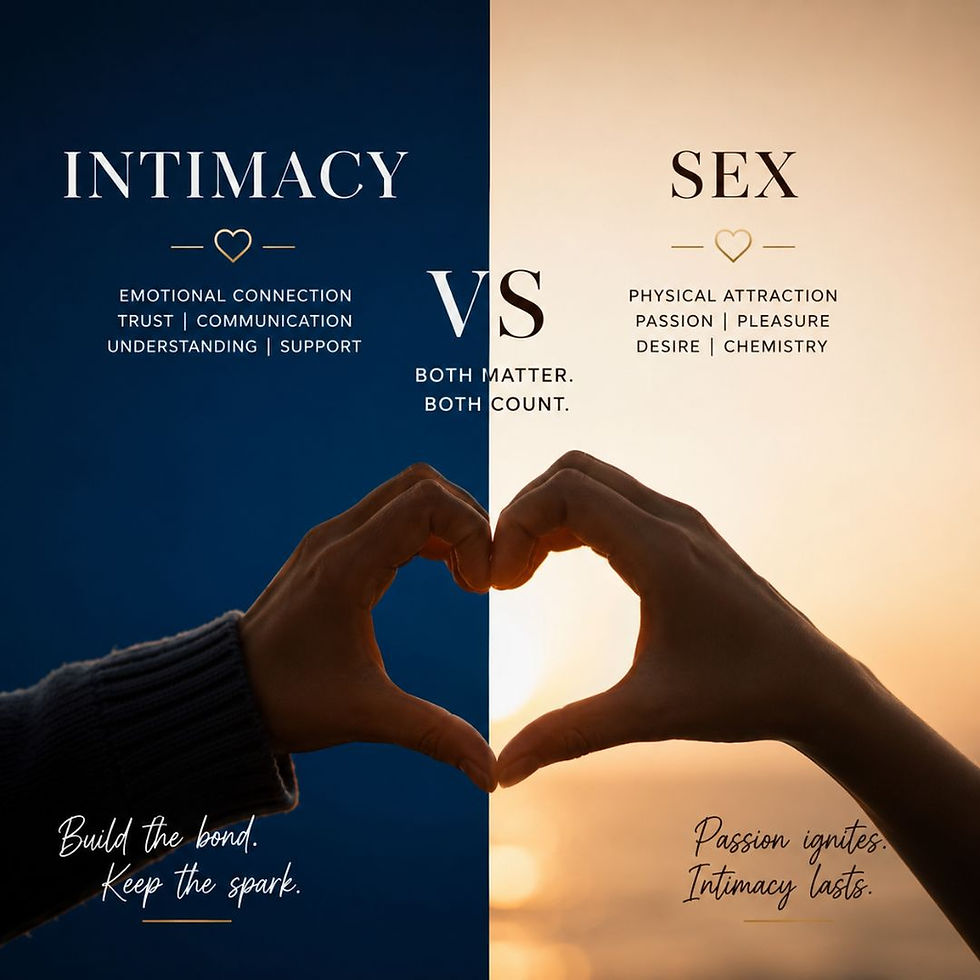
This is where many discussions about infidelity become oversimplified. A man may naturally find more than one woman attractive during his lifetime. Likewise, a woman may be attracted to more than one man. Attraction itself is not infidelity. Marriage or commitment does not magically erase a person's ability to notice attractive people. What separates a faithful partner from an unfaithful one is not the absence of temptation but the decisions made when temptation appears. Commitment has never meant eliminating desire; it means honouring the promises made despite desire.
The explanation that "men cheat because they're biologically programmed to" also ignores the many non-biological reasons people engage in affairs. Relationship experts consistently identify factors such as emotional neglect, poor communication, unresolved conflict, opportunity, low self-esteem, the desire for validation, revenge, and dissatisfaction within the relationship as common contributors to infidelity. Sometimes the affair has very little to do with sex at all. Instead, it becomes an escape from personal unhappiness or emotional disconnection.
Another commonly cited explanation is testosterone. While testosterone certainly influences sexual desire, no scientific evidence suggests that hormones override free will. Hormones can increase sexual motivation, but they cannot force someone to betray their partner. Human beings successfully control countless biological impulses every day. We resist anger, manage aggression, delay gratification, and make decisions based on long-term goals rather than immediate urges. Sexual behaviour is no different. Biology may explain temptation, but it cannot excuse betrayal.
Perhaps the more honest conversation is not about whether men are naturally monogamous but whether individuals genuinely desire monogamy. Not everyone wants an exclusive relationship, and there is nothing inherently wrong with that. Today, many couples openly choose consensual non-monogamous relationships, where both partners agree to shared expectations and boundaries. The ethical issue is not having multiple partners; it is promising exclusivity while secretly violating that agreement. Cheating is ultimately defined by deception, not by desire.
Modern science paints a far more balanced picture than popular culture often suggests. Humans appear to possess both the capacity to form deep, lifelong emotional bonds and the ability to experience attraction to others. These two realities are not contradictory—they simply reflect the complexity of human nature. We are creatures shaped by biology, but we are also capable of reason, empathy, self-control, and moral choice.
So, are men naturally monogamous? The evidence suggests that humans, regardless of gender, are biologically capable of both commitment and temptation. Evolution may influence our desires, but it does not remove our responsibility for the choices we make. Saying, "Men weren't made to be with one woman," may explain why temptation exists, but it does not justify breaking trust.
Ultimately, lasting relationships are built on something far more powerful than instinct. They are built on honesty, communication, respect, and the conscious decision to remain faithful even when alternatives exist. After all, commitment is not proven when there are no temptations. It is proven when there are—and someone chooses their partner anyway.
Comments